Digital Inclusion


What is the Digital Divide?


Broadband internet is the country's most inequitable infrastructure and contributes to major underlying differences in life outcomes. In 2020, access to the internet means access to education and employment opportunities, healthcare, community and civic engagement, and participation with the wider world.


The Internet poses huge opportunities and challenges for individuals and communities alike, but these challenges and opportunities have not been evenly distributed. Embedded racism, economic inequality and white supremacy are in every aspect of our society and our digital spaces are no different.

Digital Exclusion and Privilege


Digital technology has opened new spaces of exclusion and privilege, leaving some feeling isolated from the vast digital realm. Equitable access is not enough: increasingly, digital life requires that we be more than passive users. We are now content creators as much as content consumers and must be equipped with the media literacy skills of a 21st century context.

Our Impact


MetroEast invests heavily in our communities to address the digital divide experienced by families in east Multnomah County (read Digital Equity Action Plan Report). We foster individual and community success through our popular digital and media literacy programs, such as:

Virtual Art Night

Smartphones for Seniors

Digital Portfolio Class

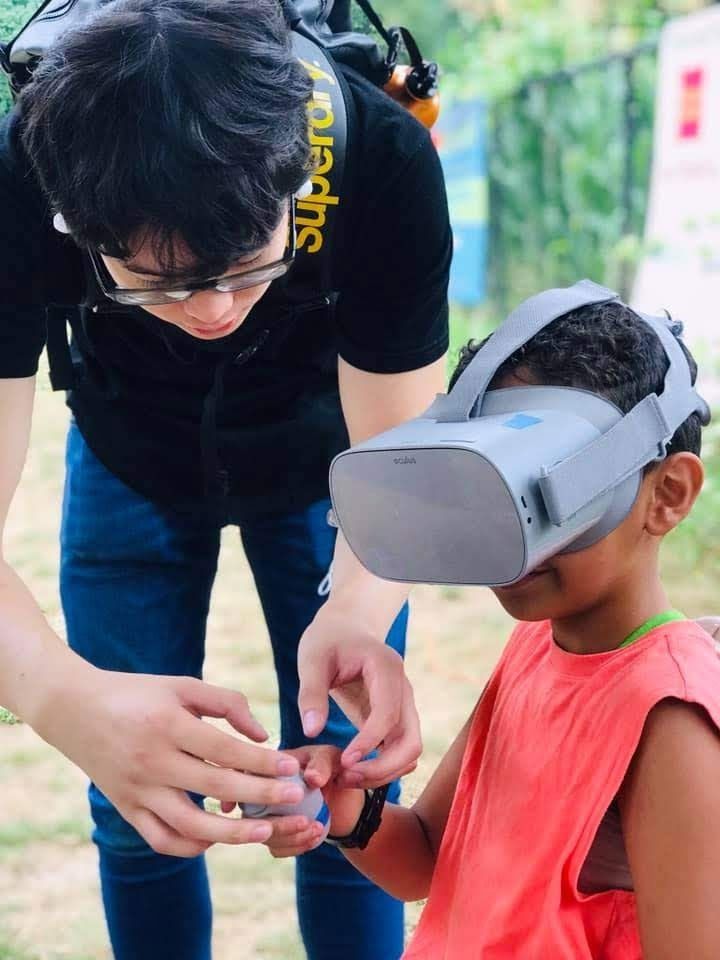
Mobile Media Innovation Lab

Add your title here

This is the text area for this paragraph.To change it, simply click and start typing. Once you've added your content, you can customize its design by using different colors,fonts, font sizes and bullets. Just highlight the words you want to design and choose from the various options in the text editing bar.

MetroEast is a proud participant in community-led coalitions, including:

Digital Equity Action Plan

Digital Navigators

We are helping to shape the landscape in Oregon through policy-driven approaches that concretely address the needs of communities lacking digital access in Oregon.


The root of digital inequality today is intangible. It is the knowledge and capacity for understanding, discernment and judgment of the digital world. MetroEast resolves to build tech-enabled communities with plans and goals driven by BIPOC, underserved, and silenced communities. Empowered by the technological revolution, the power of a digital society is capable of transcending the most pressing issues and can create a platform for a long-term, more inclusive and less unfair horizon.


We believe in a future with broadband access to all, engaged digital citizens, freedom of expression and democracy.